To choose a hotel as a woman traveling alone, judge it on nine things: how fast a real person answers an email, whether anyone reaches out before you arrive, how the front desk greets you by yourself, what the concierge does when you ask where to eat alone, how late the kitchen genuinely serves, where they seat a single diner, whether the room was designed for someone getting ready alone, what single occupancy costs, and whether they can answer a specific accessibility question without going to look.
I book hotels for women for a living, and I stay in the ones I recommend. Over two years of doing that I noticed I was checking the same things every time, in the same order, mostly without meaning to. So I wrote the list down. It's 41 items and I call it the WTD Standard.
Here are the nine that matter most, and you can run all of them yourself before you book.
1. Email them one real question and time the answer
This is the cheapest test there is and it's the one I trust most.
Send one specific question. Not "do you have availability." Ask what time the kitchen actually stops cooking, or whether there's a step at the front door. Then watch three things: how long they take, whether a person or a template answers, and whether the answer is specific.
A property that takes six days and sends you a paragraph of marketing copy has told you what a request will feel like at eleven at night when you need something.
2. See whether anyone reaches out before you arrive
Good hotels write to you first. Not a confirmation email, a person. Someone with a name asking whether you need a car, what time you're landing, whether there's anything they should know.
I score this, and it's a required item, because it's the single clearest signal that a property thinks about a guest as a person before she walks through the door rather than after.
3. The first four minutes at the desk
The arrival is the whole test compressed. What I'm listening for is whether anybody assumes I'm waiting for someone. "Just you?" is a small thing and it isn't a small thing.
I'm also listening for my room number. If it gets said out loud in a lobby where other people can hear it, that's a policy failure, not a slip, and it usually means there isn't a policy.
4. Ask the concierge where you should eat by yourself
Say it exactly like that. Out loud. Then listen to what happens.
The answer I want is a specific restaurant, a reason, and an offer to call ahead so the table knows you're coming. The answer I don't want is the hotel bar. The bar is a fine place to eat and it's also the answer a concierge gives when they haven't thought about it.
This is a required item on my card and a lot of very expensive hotels fail it.
5. Find out how late the kitchen really serves, and what
There's a difference between room service until midnight and the full menu until midnight. Most hotels quietly cut to a short list of sandwiches after nine, and nobody tells you until you're hungry, in a robe, reading a card.
If you land late, and women traveling for work land late constantly, this is the difference between a good night and a bad one. Ask which menu, not just what time.
6. Watch where they put a single diner
Book a table for one on your first night and pay attention to the walk. Are you near a window or near the kitchen door. Does anyone say something about you eating alone. Do they take the second place setting away, and how do they do it.
A dining room reveals more about a hotel's attitude in ten minutes than the lobby does in a whole stay.
7. Five things in the room, four minutes
- The peephole and the secondary lock, and both actually work.
- The safe, and whether a laptop fits in it.
- The robe, and whether it was cut for a woman.
- The mirror and the outlets, and whether you can dry your hair and see your face in the same place.
- What was waiting for you, if anything. A bottle of wine is a nice gesture. It's also the gesture a hotel sends when it hasn't asked itself who's in the room.
8. Ask what single occupancy costs
Some properties charge the same for one guest as for two. Some don't, and will tell you plainly. Both are fine. What isn't fine is finding out at checkout.
I score this on whether it's priced fairly or disclosed clearly, not on whether it's free.
9. Ask an accessibility question, even if you don't need one
This is my favorite test and almost nobody uses it.
Ask something exact. How wide is the bathroom doorway in the accessible room. How high is the bed. Then read the answer.
A property that measures it and tells you, including telling you plainly when it can't accommodate something, is a property with people who know their building and are willing to be honest about it. A property that sends you "we are fully accessible" has told you it hasn't measured anything.
You learn something about how they'll handle your request too, whatever your request turns out to be.
What I do with all of this
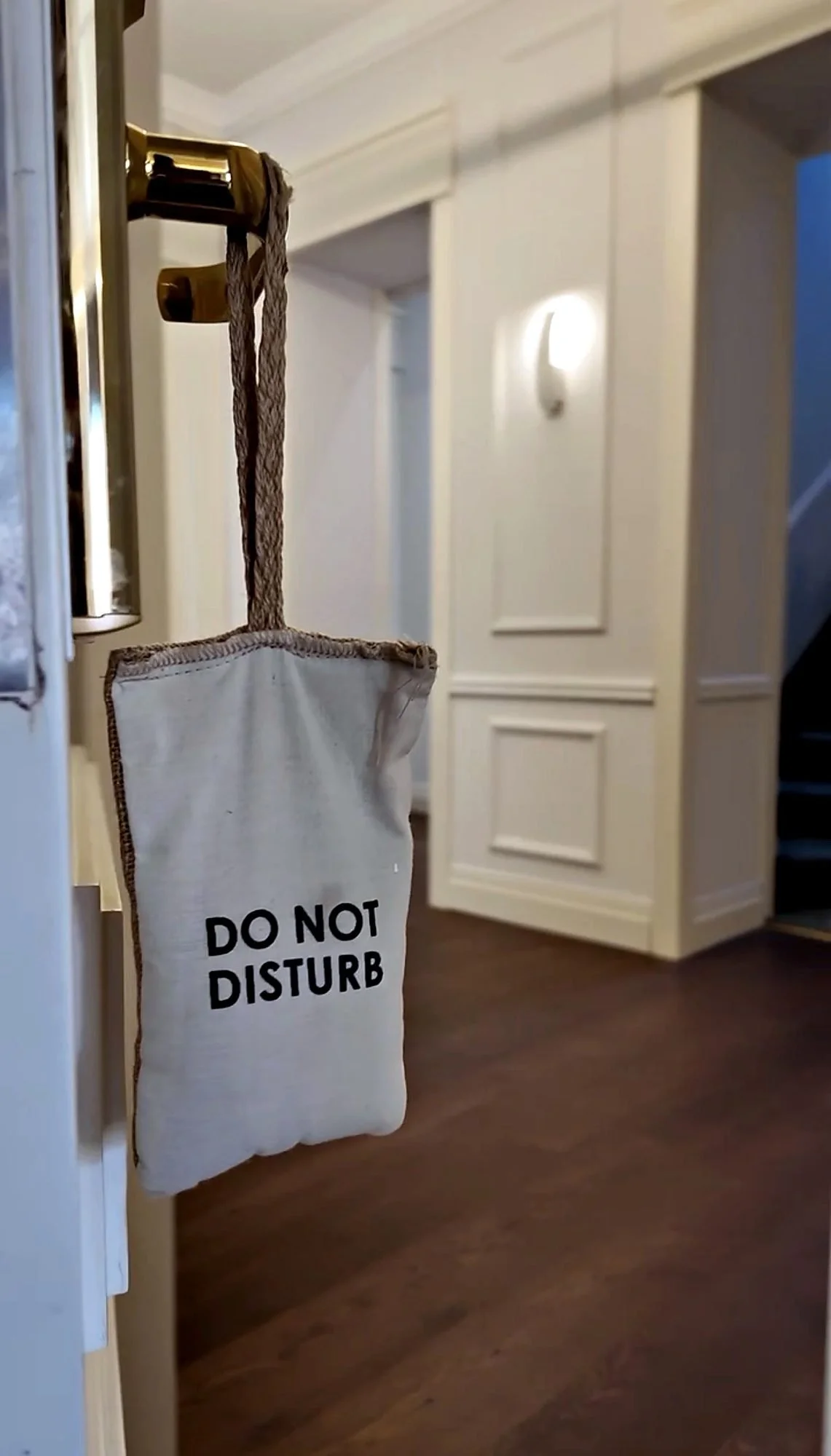
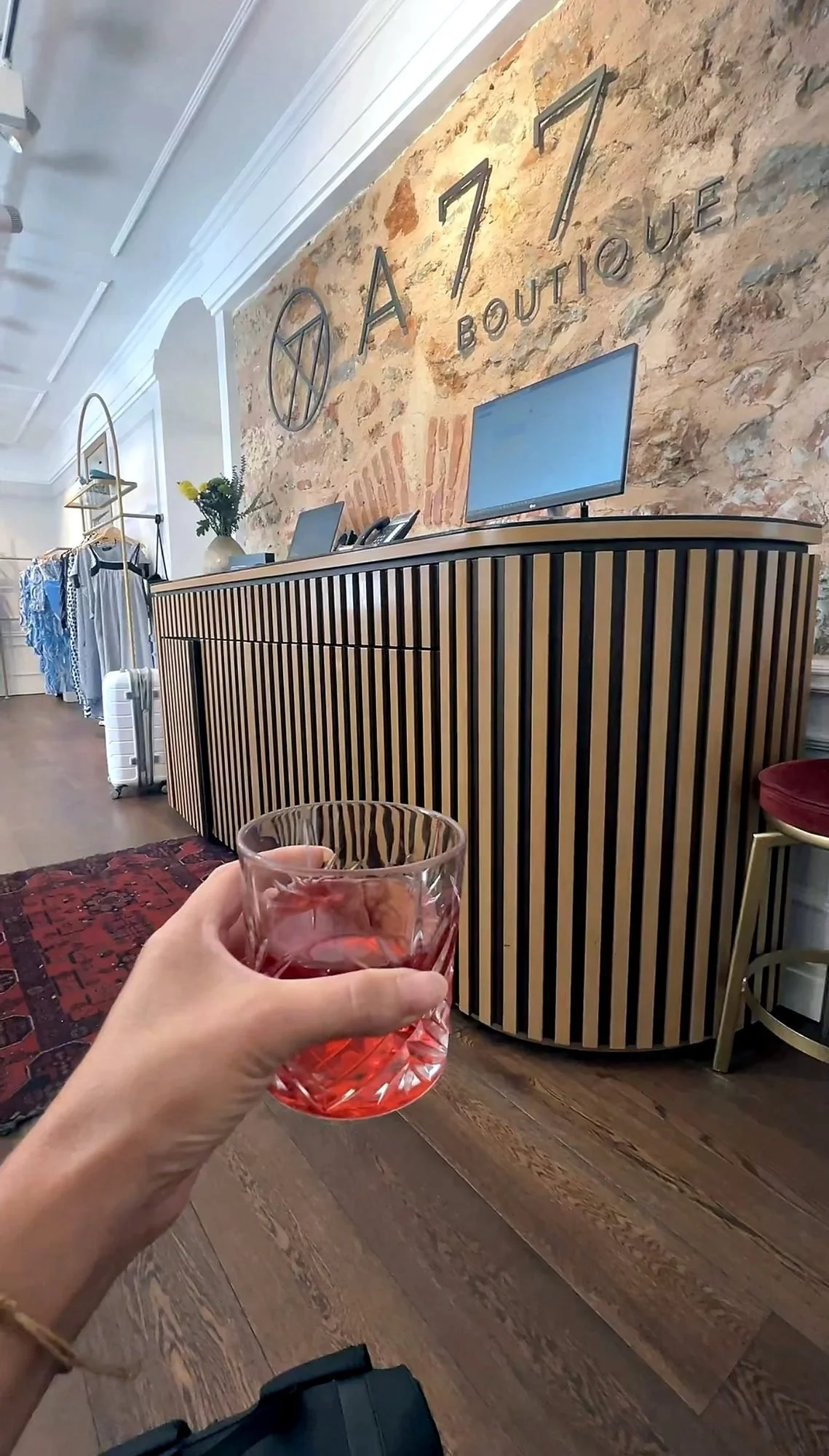
Most of those nine are on my card, which has 41 items in all, and I publish each hotel's result with the reasoning attached, and that's the WTD Standard. The first two cards are up now, Lesante Blu on Zakynthos and A77 Suites in Athens, and both passed.
You don't need my card to use the list. Run the first two before you book, the next five while you're there, and you'll know more about a hotel in a day than most reviews will tell you in a year.
Questions
What's the single best test if I only do one?
Email them one specific question and time the reply. It costs nothing and it predicts almost everything else.
Does price predict any of this?
Not really, and that surprised me. Some of the worst solo-dining handling I've seen was at properties charging over a thousand dollars a night, and one of the best late-night arrivals I've had was at a hotel that cost a fraction of that.
Should I tell the hotel I'm traveling alone?
Yes, when you book. Not for safety reasons, for service reasons. A property that handles it well will use the information. One that handles it badly will show you that early, which is also useful.
What if I need accessibility information the website doesn't have?
Email and ask for measurements, not reassurances. Ask for the doorway width and the bed height in inches or centimeters. If they can't tell you, that's your answer.
How do I know a hotel review is from someone who actually stayed?
Look for measurements, times and dish names. Anyone can write that a hotel is elegant. Only someone who was in the room knows the kitchen stopped cooking at nine thirty.